Recruitment
How a recruiting agency put candidate matching on autopilot
A vetted marketplace where employers and candidates find each other while the agency keeps the commission
- Matching by hand, goneDays of recruiter time back on every placement
- Commission keptSearch, shortlist and introduction without a recruiter in the middle
- 11 monthsFrom first call to launch
What we built
- Employer and candidate accounts with staff vetting
- Search and matching on both sides
- Anonymous profiles and a hide-from-employer list
- LinkedIn profile verification
- Admin panel for the agency team
The situation
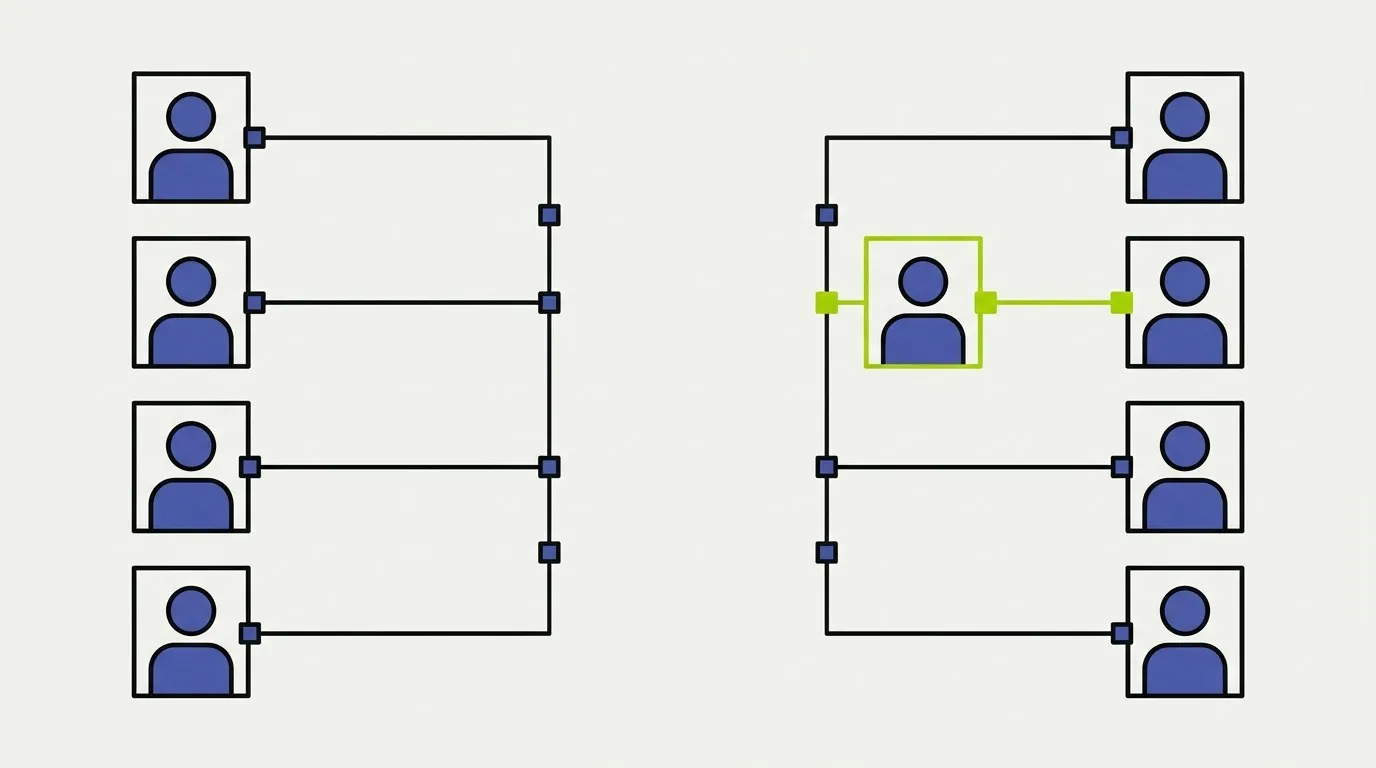
Before
Every placement needed a recruiter to source, screen, keep both sides warm, arrange the introduction and chase. More placements meant more recruiters, and recruiters are the largest cost in the business.
After
Staff vet who gets in. Inside the marketplace the two sides find each other, and the introduction happens without a recruiter in the middle.
Recruitica started as a recruiting agency in the UK. The founder wanted to grow, and the math of a recruiting agency does not make that easy. Every placement needs a recruiter to source candidates, screen them, keep in touch with the employer, arrange introductions and chase both sides. More placements meant more recruiters, and recruiters are the biggest cost in the business.
The work also repeated itself. The same recruiters were searching the same pool of candidates for the same kinds of roles, one email and one call at a time. Employers waited for a shortlist. Candidates waited for a reply. The agency’s own knowledge of who was good sat in people’s heads and inboxes.
What we decided to build
The agency's real asset was the vetting, not the searching. Their staff knew which candidates were worth introducing and which employers were worth working with. So we kept that part human and automated everything around it.
The agency’s real asset was the vetting. Their staff knew which candidates were worth introducing and which employers were worth working with. So we kept that part human and automated everything around it.
The result is a marketplace. Agency staff add employers and candidates after checking them. Inside the marketplace the two sides find each other. When an employer and a candidate match, the introduction happens without a recruiter in the middle, and the agency still earns its commission on the placement.
How it works
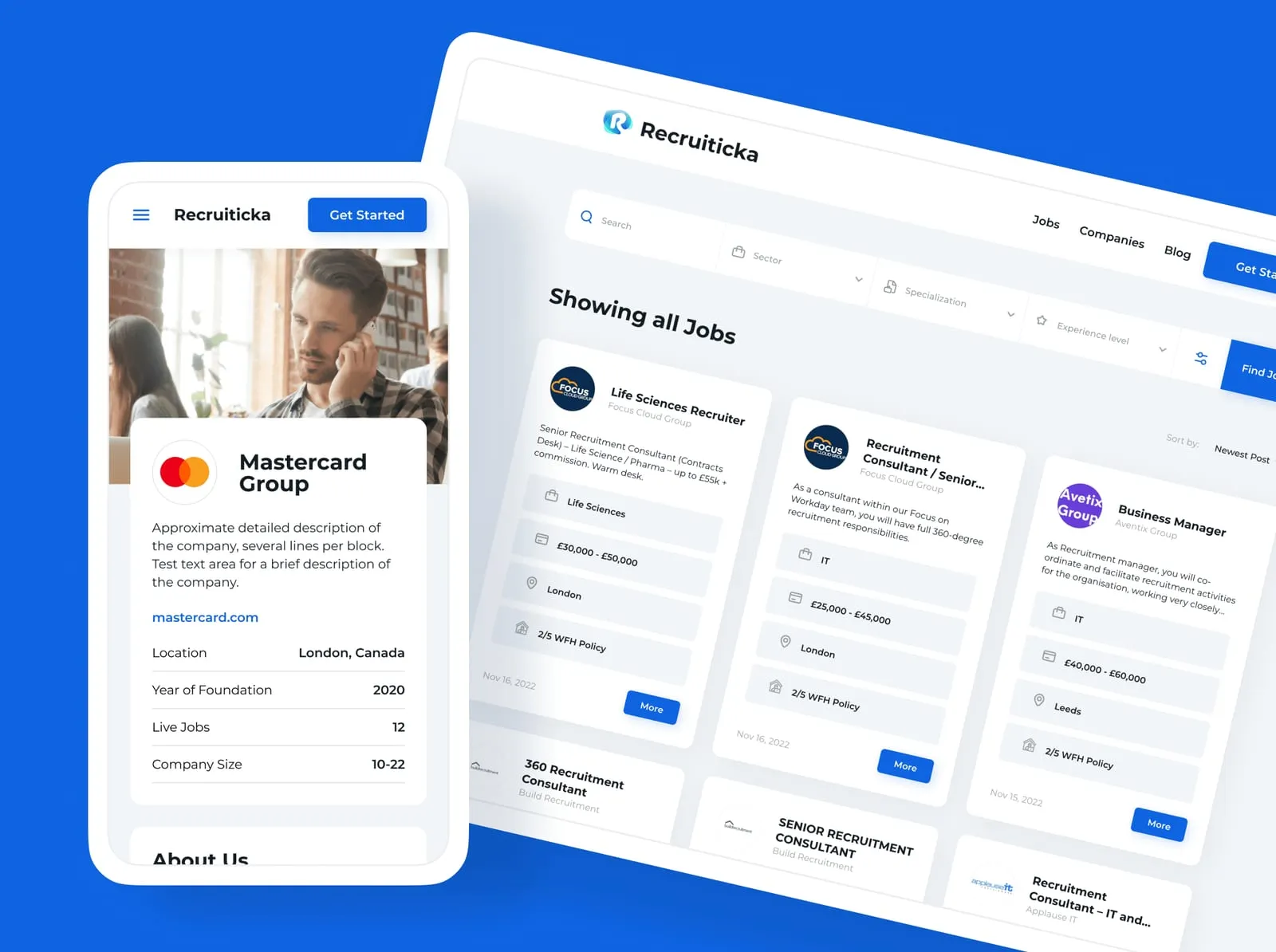
For employers. An employer opens an account, gets vetted by the agency team, and posts roles. They search the candidate pool by skills, experience and location, see anonymised profiles, and request an introduction to the people they like.
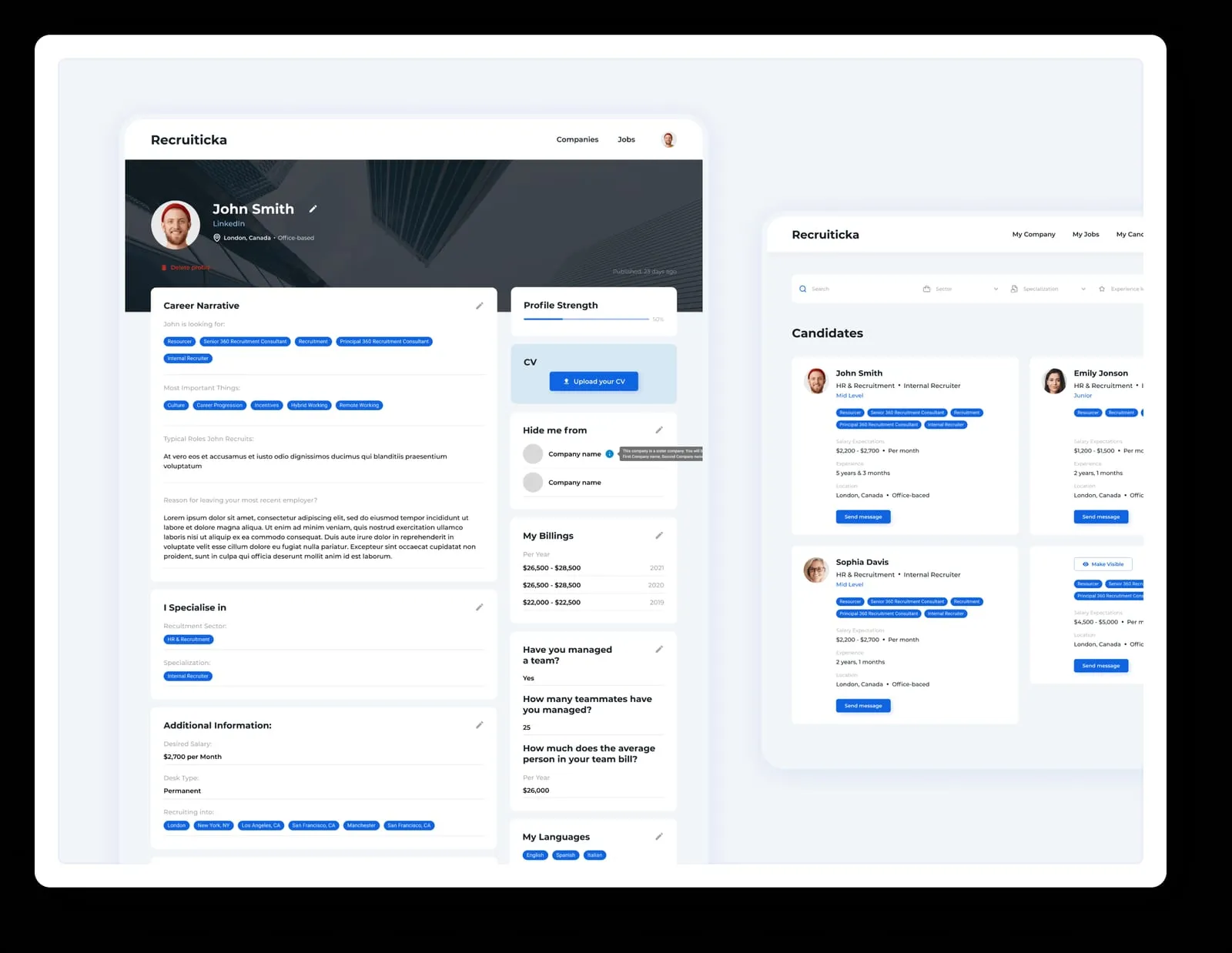
For candidates. A candidate builds a profile, verifies it against LinkedIn, and sets what they are looking for. They browse open roles, apply, and control who can see them. A hide-me list keeps their profile invisible to named companies, so someone looking for a new job does not show up in front of their current employer.
The hide-me list is the feature that makes the rest work. Someone quietly looking for a new job will not build a profile if their current employer might see it. Letting candidates block named companies is what makes the pool worth searching in the first place.
For the agency. An admin panel is where the staff do the part only they can do: approve accounts, watch the pipeline, step in on a placement that needs a person, and see what is being matched and paid.
The pieces that used to eat recruiter time run on their own:
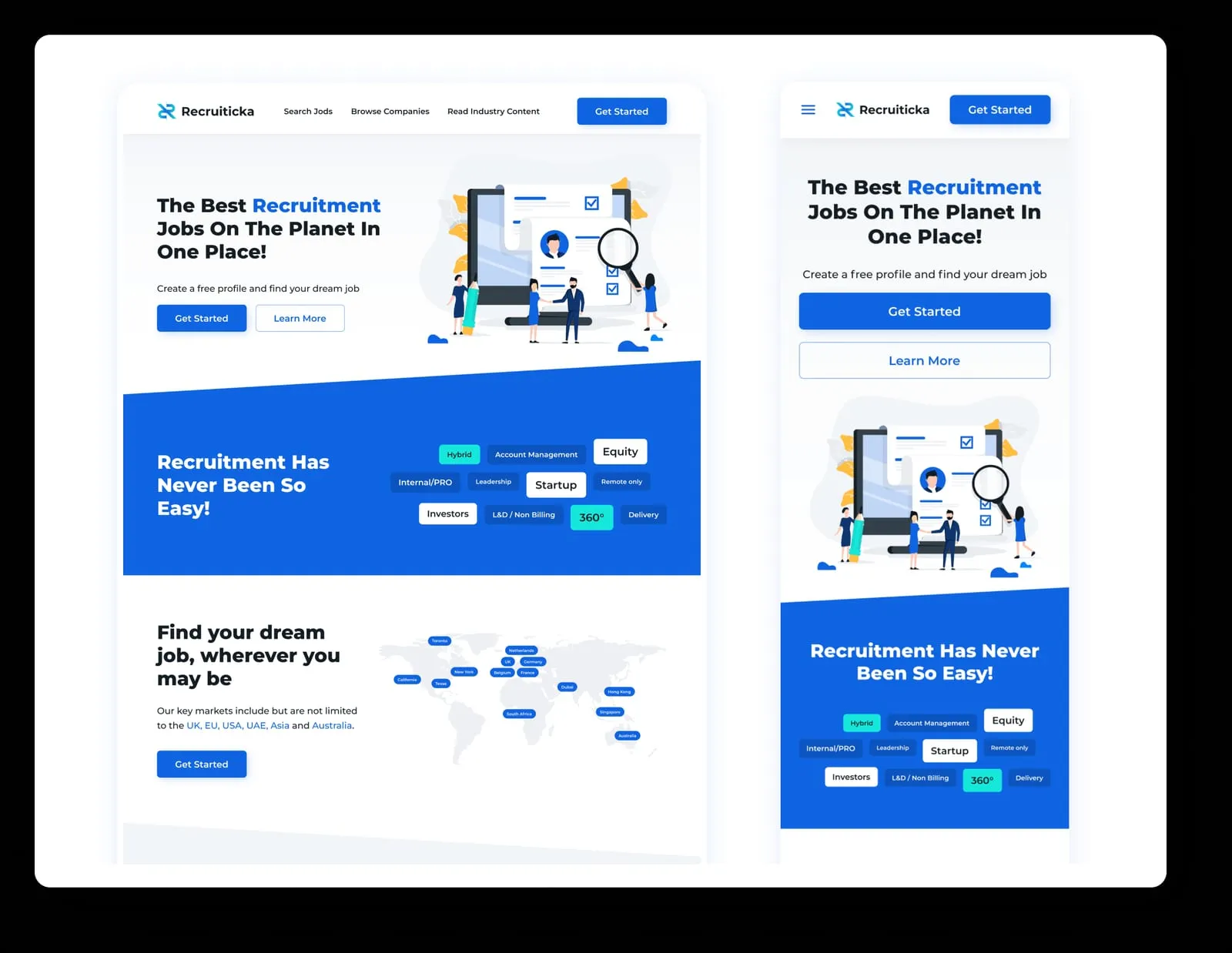
- Candidate search and shortlisting, on the employer’s side, at any hour
- Application and introduction flow, with both sides notified
- Profile verification through LinkedIn instead of a screening call
- Anonymity rules and the hide-me list, enforced by the platform
- Job and candidate listings that stay current without anyone updating a spreadsheet
What changed
A placement that used to take a recruiter hours of searching and days of back and forth now starts with the employer and the candidate finding each other. The agency team spends its time on vetting and on the placements that need judgement. The commission model stayed the same, so the revenue per placement did not change. The cost per placement did.
The platform went live eleven months after the first call, built as a web application with a React front end, a NestJS back end and hosting on AWS. It was handed over with documentation and a panel the agency staff run themselves.
2V created a great platform that worked well without bugs. They were friendly, down-to-earth, and hardworking.
 Georgi MetodievFounder, Recruitica
 More client stories
 Facility Services - Fire Safety Compliance
 How Fire Plan Strategies Eliminated 230 Manual Hours a Month
~230 hrs / monthManual ops time eliminated
Lead intake, quotes, invoicing and certificates, automated
Read the story"This is music to my ears. Our accountant is definitely going to love this because she's not going to have to do invoices anymore. The admin staff is also..."
 Championship Ring Manufacturing
 Signature Champions: From Spreadsheet Chaos to Automated Revenue
300+ hrs / monthManual ops time eliminated
Custom software development and automation
Read the story"300+ hours of manual work eliminated every month. Recurring processes that ate our team's time are gone entirely."