Education, visitor experience
A chatbot that answers visitor questions at Georgia Aquarium
A RAG assistant with the aquarium's knowledge, built for Georgia State University and piloted on the floor
- Repeat questions, off the floorAnswered by the chatbot wherever the visitor stands
- 5.0Clutch rating for quality, schedule and cost
- On timeDelivered on the agreed schedule
What we built
- Knowledge base assembled from the aquarium's materials
- Retrieval-augmented generation (RAG) chatbot
- Answers grounded in the aquarium's own content
- Pilot with visitors on site
The situation
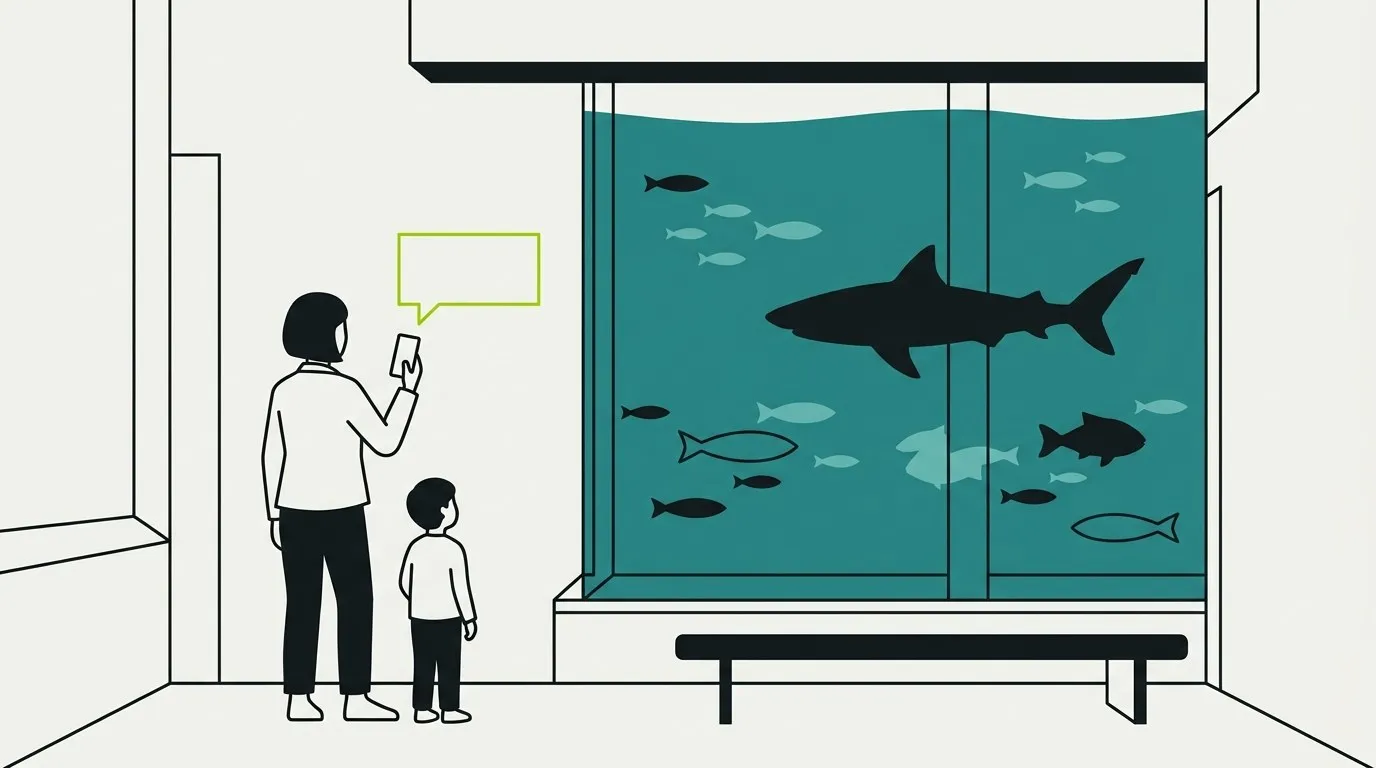
Georgia Aquarium gets a constant stream of the same questions. Where is the whale shark. When is the next feeding. Is this exhibit good for a four-year-old. Which way to the dolphins.
The answers came from people standing on the floor, all day, repeating themselves. That is a reasonable way to run a visitor experience until you count the hours, and until you notice that the questions which genuinely need a person are waiting in the same queue as “where are the toilets”.
Before
Staff answered the same routine questions in person, all day. A visitor with an unusual question waited behind ten people asking for directions.
After
Routine questions are answered wherever the visitor is standing. Staff time goes to the questions and the moments that need a person.
Georgia State University wanted to test whether an assistant could take that load, and asked us to build it.
What we built
A chatbot that knows the aquarium, rather than one that knows the internet.
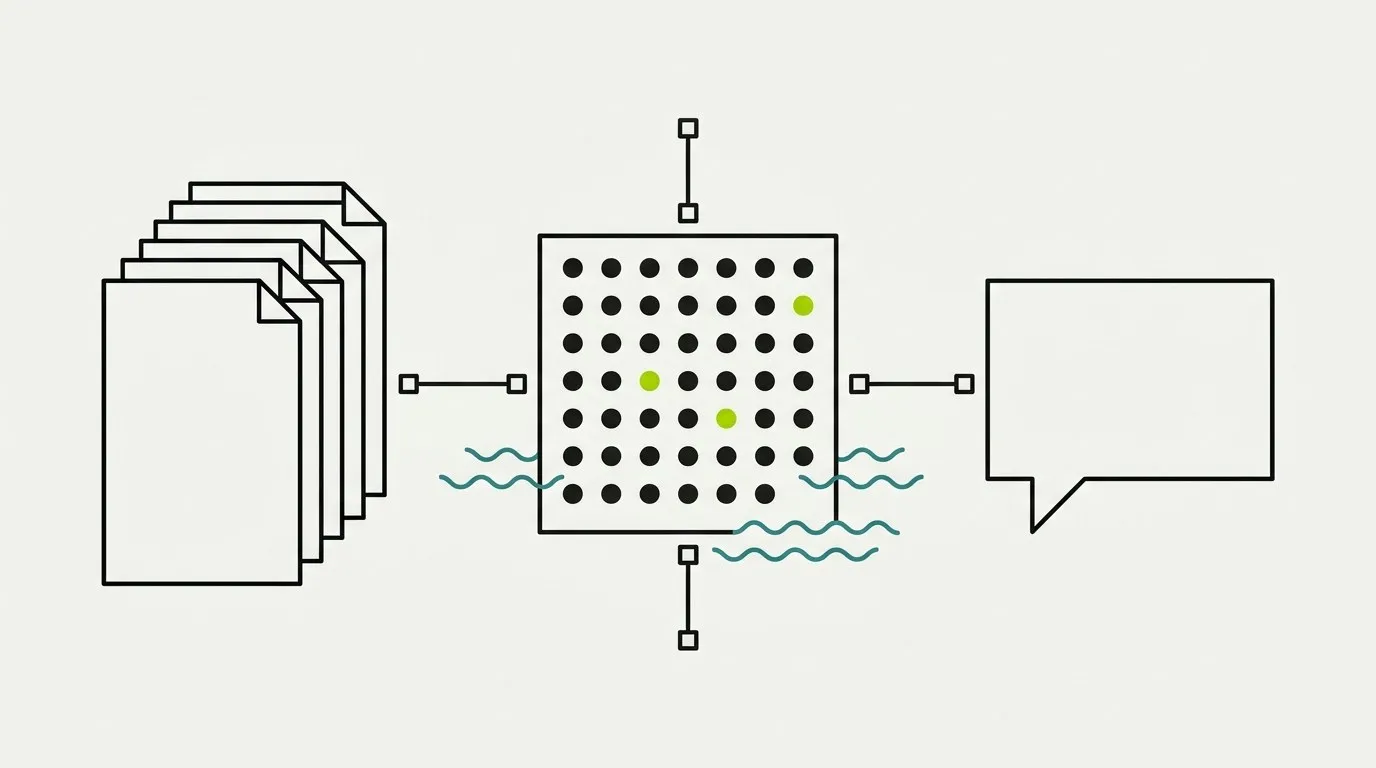
We collected the material visitors ask about and built a knowledge base from it. The chatbot uses retrieval-augmented generation: for every question it first finds the relevant pieces of the aquarium’s own content, then writes an answer from those pieces.
This is the part that matters for a public-facing bot. Grounding every answer in retrieved source material is what stops it inventing a feeding time. A model answering from memory alone will confidently tell a visitor the wrong thing, and in a building full of families that is not an acceptable failure mode.
The knowledge base is the part the aquarium controls:
- Content the staff own. Exhibits, animals, schedules, accessibility and wayfinding, in the aquarium’s own words.
- Updated without a developer. When a schedule changes or an exhibit opens, the content is updated and the chatbot answers from the new version.
- Answers that cite what they came from. Every response traces back to a piece of source material rather than to the model’s training data.
Where it is now
The chatbot is piloted inside the aquarium with real visitors.
The routine questions get an immediate answer wherever the visitor is standing. A visitor who wants to know where the penguins are no longer has to find someone to ask, and the staff on the floor get their attention back for the conversations that are worth having in person.
The project ran from March to May 2026. The client reviewed it on Clutch with five stars for quality, schedule, cost and willingness to refer.
They managed the project professionally, delivered on time, and responded quickly.
More client stories
 Facility Services - Fire Safety Compliance
 How Fire Plan Strategies Eliminated 230 Manual Hours a Month
~230 hrs / monthManual ops time eliminated
Lead intake, quotes, invoicing and certificates, automated
Read the story"This is music to my ears. Our accountant is definitely going to love this because she's not going to have to do invoices anymore. The admin staff is also..."
 Championship Ring Manufacturing
 Signature Champions: From Spreadsheet Chaos to Automated Revenue
300+ hrs / monthManual ops time eliminated
Custom software development and automation
Read the story"300+ hours of manual work eliminated every month. Recurring processes that ate our team's time are gone entirely."